Listen to this article:
Warning: Spoilers for F1 ahead!
As a cinephilic CEO, I have a habit of shoehorning market metaphors into movies where they might not obviously apply. Case in point: F1, which dishes out tech-world and AI analogies so fast that, amid all the noise and sexy machinery, they're easy to miss.
Like Formula One itself, F1 is a global phenomenon, earning more than $630 million worldwide and counting. The movie has a lot going for it: the built-in high-stakes drama of auto racing, adrenalized cinematography and sound design that put you and your increasing heart rate in the driver’s seat, filmed on actual Grand Prix tracks in exotic international locales with the actors driving at ludicrous speeds. And of course Brad Pitt: In his role as maverick racer/folksy philosopher Sonny Hayes, he shows even more swagger as a high-mileage, low-wear 61-year-old than he did in his Thelma & Louise days.
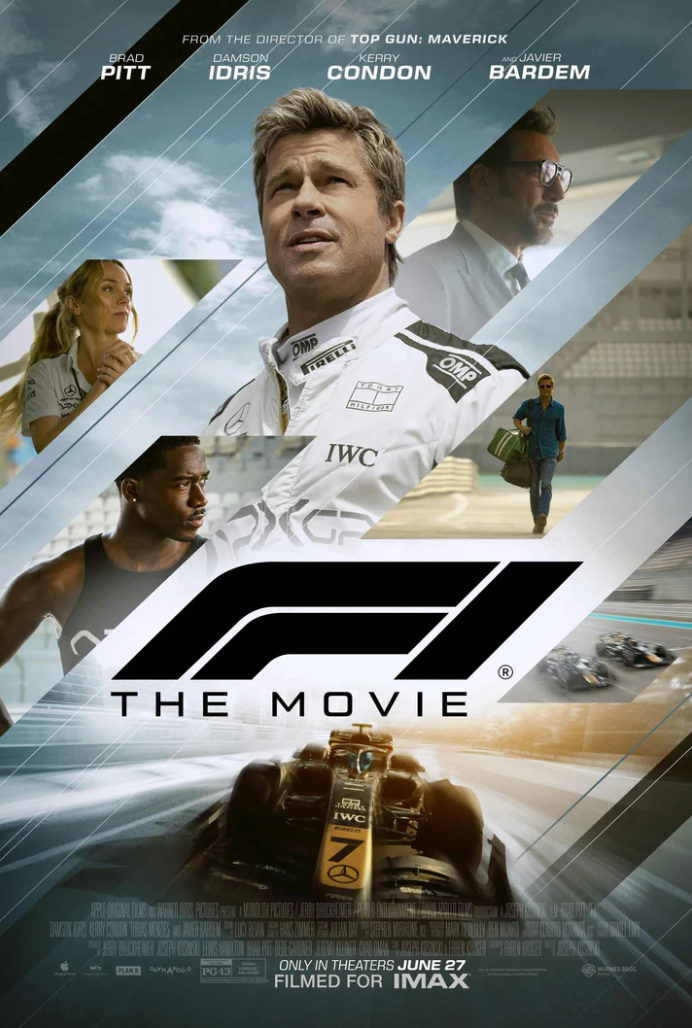
F1 combines old-fashioned spectacle with cutting-edge filmmaking. It’s full of fast cars and literal fireworks. I watched with a smile plastered across my face, like a kid watching his favorite cartoon. Or like a techno-optimistic entrepreneur reading all sorts of parallels between the onscreen action and the current tech landscape.
Loka has guided more than 400 AI projects in the last two years alone and moved more than 50% of them to production. With apologies for the possible overuse of racing terminology, I’ve filtered the movie through the lens of our prodigious experience. If you’re an entrepreneur, executive or founder looking to gain an advantage in 2026—and if you like a good story—you’ll be happier with your AI initiatives by embracing these three key takeaways.
In the race to harness AI, data is fuel.
Or put another way: Preparation is everything. In F1 we see the entire APX team—drivers, pit crew, engineers, owners—prep for races by donning headsets around a conference table and talking through strategy, track conditions and vehicle specs together. We also get a glimpse of the years of R&D put into designing the fastest car imaginable. The race itself is all flourish, only a small fraction of the monumental, multi-valent effort put into the sport of racing.

Every team in Formula One brings the most advanced hardware. Every driver is among the best in the world. Differentiation comes down to milliseconds. And on race day, milliseconds are managed, not wished into existence. Or in Sonny’s words, “Hope is not a strategy.” (Perhaps he reads McKinsey reports.)
AI can be misleading to the uninitiated. Automated processes like semantic search pull clean responses from unstructured data, almost like magic. This is powerful stuff. But there’s a reason Loka has one offer for centralized data and another for fragmented data. We can certainly do prep and analytic work on messy data, but it’s a heavier lift that comes at a higher cost to the client.
Among those 200+ GenAI launches this year, we’ve moved more than half into production, and many of those were companies that prepped their data before we arrived. Successful AI outcomes start with ensuring your company’s data is in a state that AI can use to its highest potential. You have the fuel. Now it’s time to prime the pump.
Find your timeless metric.
In F1, two quippy scenes culminate with someone uttering the most profound quip of all: “Drive fast.” It’s the axiomatic, mic-drop line in the world of auto racing. Countless variables factor into success, but speed will always be the most relevant, most timeless metric. And many millions of dollars will be spent—and made—because of it.
Timeless business-world metrics can be similarly distilled. As Jeff Bezos famously asked, “What’s NOT going to change in the next ten years?” The answer to that question is a timeless metric. In the case of online retail, it’s the demand for faster shipping and lower prices. In healthcare, the desire for better treatment. In logistics, the quest for greater efficiency.

Every business can be measured in timeless metrics, and success depends on scoring highly in them. Determine what these KPIs are and work backward to improve them. Be disciplined—really disciplined—in your focus. Audit the parties and processes involved as often as you need to ensure you’re staying on track.
I obsess over a million aspects of my business every day, but I know that metrics-wise, only three or four are worth paying attention to. If those KPIs are in the green, the whole business is flying. Given the relentless pace of change, distractions arise easily and frequently. Don’t lose sight of the factors that truly matter.
Keep an iterative mindset.
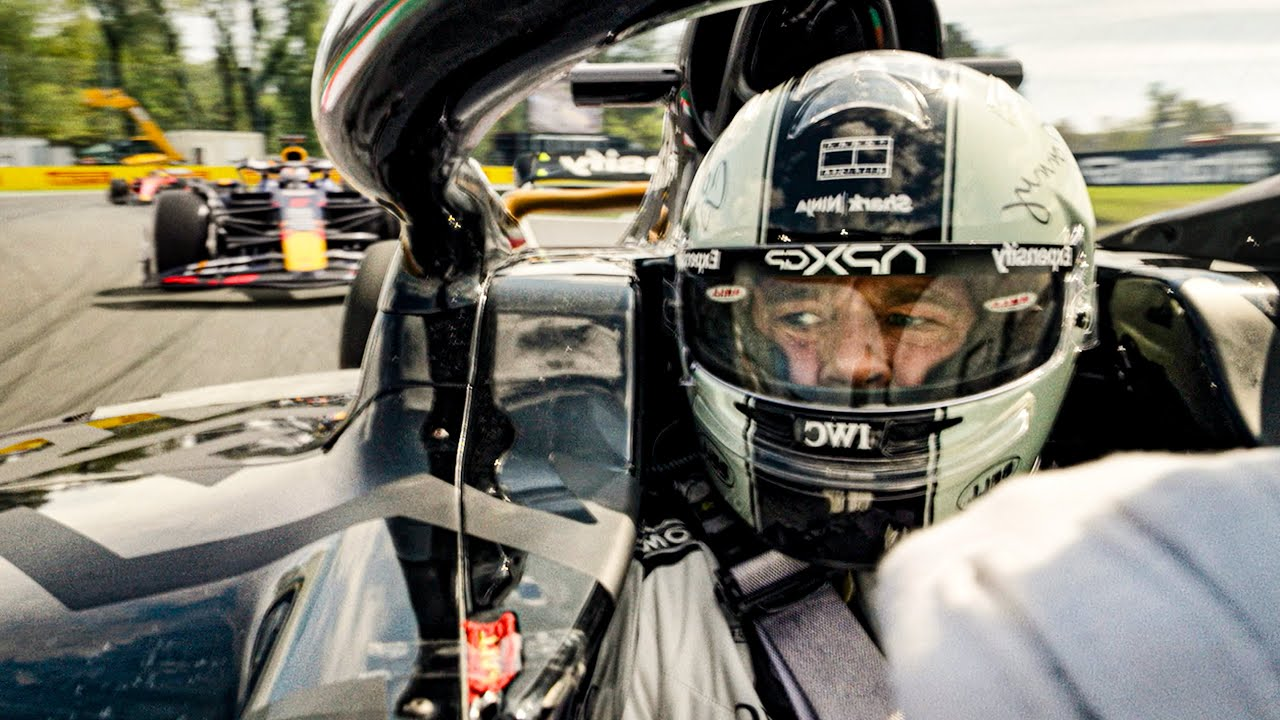
I’m fascinated by the R&D aspect of F1. At first, the APX car is repeatedly beaten on the straightaways regardless who’s driving; the competitors’ cars are simply faster. After a handful of races Sonny realizes that if lead engineer Kate McKenna can redesign the vehicle to make up time in the turns, then they have a chance to win. It’s a very literal example of how only road testing in real-world conditions can tell you what you need to know about performance. And also an example of how breaking from consistency to iterate and improve can deliver a competitive edge.
When implementing AI into their preexisting product offering, some customers expect a miracle on the first try. They rarely get it. Others expect to run a few iterations before arriving at a finished product. They plan, they experiment, they track results and they iterate until they reach optimal performance. They do much better in the long run.
Fortunately, AI allows us to “field test” in nearly real-world conditions with greater accuracy and less risk than ever before. Time between iterations is shrinking, as is time to market. There’s never been a better time to embrace experimentation—or to build better with every iteration.
Bonus: Choose your driver wisely.
Like auto racing, business is a team sport. Far more goes into it than the one guy hoisting the trophy would have you believe, as even Sonny Hayes understands by the end of F1. (A true mensch, he hands his first Formula One trophy to team owner Ruben Cervantes.) And yet…
The APX team wouldn’t be in the winner’s circle if it weren’t for Sonny. He’s the team’s head strategist, subject-matter expert, stakeholder whisperer and all-around leading light. His combination of skills, experience and attitude set the optimistic tone for the whole underdog-to-champion operation. These are the factors that lead Ruben to pluck him out of relative obscurity to be his No. 1 driver, and by the final lap he’s proven right.

When it comes to the high-pressure world of AI innovation, bring in the specialists when you need the support. But remember that chemistry is as crucial as ability.
In closing, one more lap around the track:
Preparation first, execution second—especially when it comes to data and AI.
Find your timeless metric and drive relentlessly to it.
Be ready to iterate early and often until you achieve optimal product-market fit. And be ready to iterate further from there if your customers steer your offering in a direction you didn’t expect.
And, you know—drive fast. That’s how you win 🏁