Listen to this article:
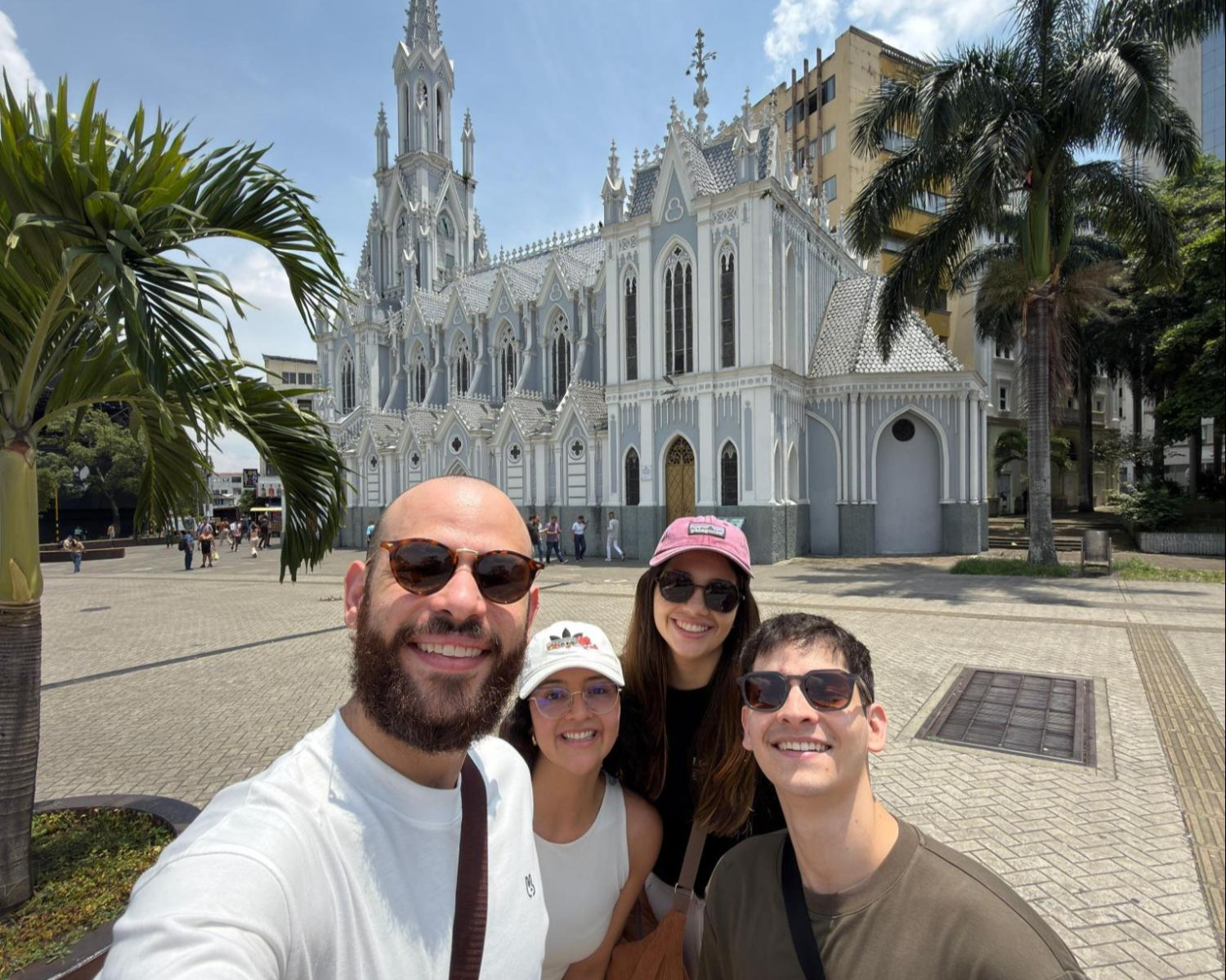
It was a Loka 5/4 Friday, one of the every-other-week Fridays off that comes with working at Loka. The sun was out, a fresh breeze cutting through the heat, and a group of colleagues from Cali, Colombia were showing us around their city. I had been warned about Cali before coming. It has a reputation, and not a completely undeserved one, for being one of Colombia's less safe cities. Security had been a concern in my head before the trip and yet there I was, walking its streets in full sunshine, past murals and monuments, listening to local friends talk about their home with obvious pride, thinking, This is exactly why I came.
That moment in Cali, halfway through my three months in Colombia as part of Loka's Explorer Program, crystallized something I'd been learning gradually since landing in the country. The gap between what people tell you about a place and what you actually find when you get there can be enormous. Crossing it requires two things: trusting the people who are already there and actually going to see it with your own eyes.
The Program and Why I Almost Didn't Go
The Explorer Program is one of those things that sounds too good to be real. It's an internal Loka benefit where employees can apply to spend three months living and working from one of the company's three hubs: Portugal, Colombia, or North Macedonia. The company organizes housing, neighborhood selection, logistics and financial support on your behalf. You show up (with your family too, if you wish), you work your normal job, you live alongside other Lokals from that region, and the country becomes yours for three months. I joined Loka in July 2024 as a Machine Learning Engineer, and the program was on my radar from week one. I love to travel, and the idea of embedding in a country rather than passing through it as a tourist was exactly the kind of experience I'd always wanted but never quite knew how to create for myself.
Colombia was an obvious choice for me. In January 2026, two weeks before my flight, the news cycle made that choice feel suddenly uncertain. Headlines about rising tensions between US and Colombia were everywhere, and the coverage made a trip I'd been excited about for months suddenly feel like a risk. My family called right after the news broke: You're not still going, right?
It was surprising news, but I tried to be rational. I checked the EU and Portuguese foreign affairs directives: Nothing had changed. But the media made it feel dangerous, and fear is contagious. In the end, what helped me make the decision was talking with colleagues in Colombia and with HR in Portugal, who told me clearly that you read online is rarely what you'll find on the ground. Go, and if anything changes, we'll help you. So I went.
Three months later, here I am, writing this story a week after returning home to Porto, Portugal, after the best three months of my life.
Finding a Rhythm
Colombia was easier to adapt to than I expected. My days followed a rhythm similar to home: work, workout, walk around the city. The time difference actually worked in my favor. Mornings were packed with meetings, which left afternoons free to enjoy the sun before picking work back up later. I spent two months in Medellín and one in Bogotá, using weekends to visit other parts of the country, always on the recommendation of locals, by plane when the distances were too large, by bus when they weren't.
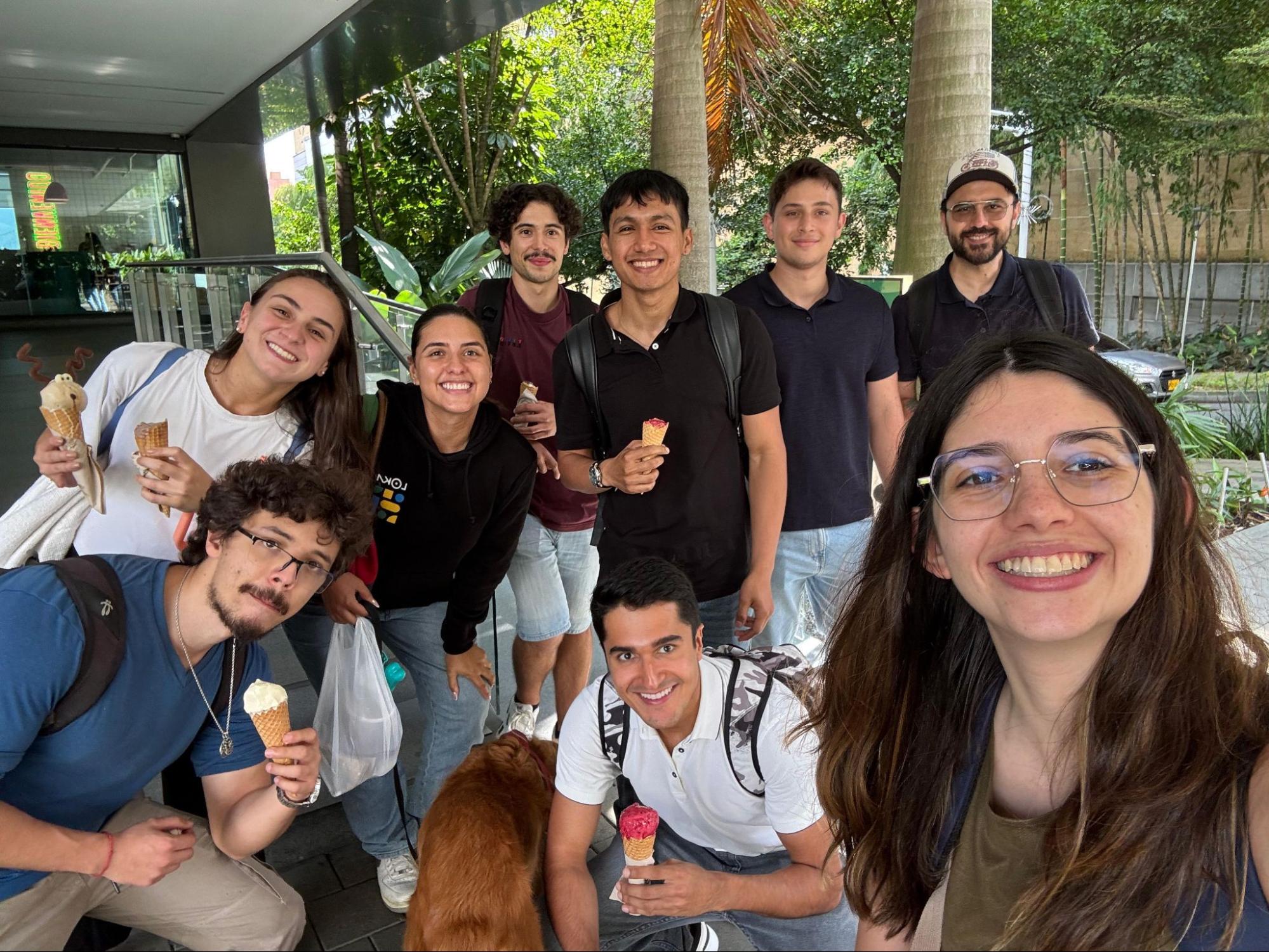
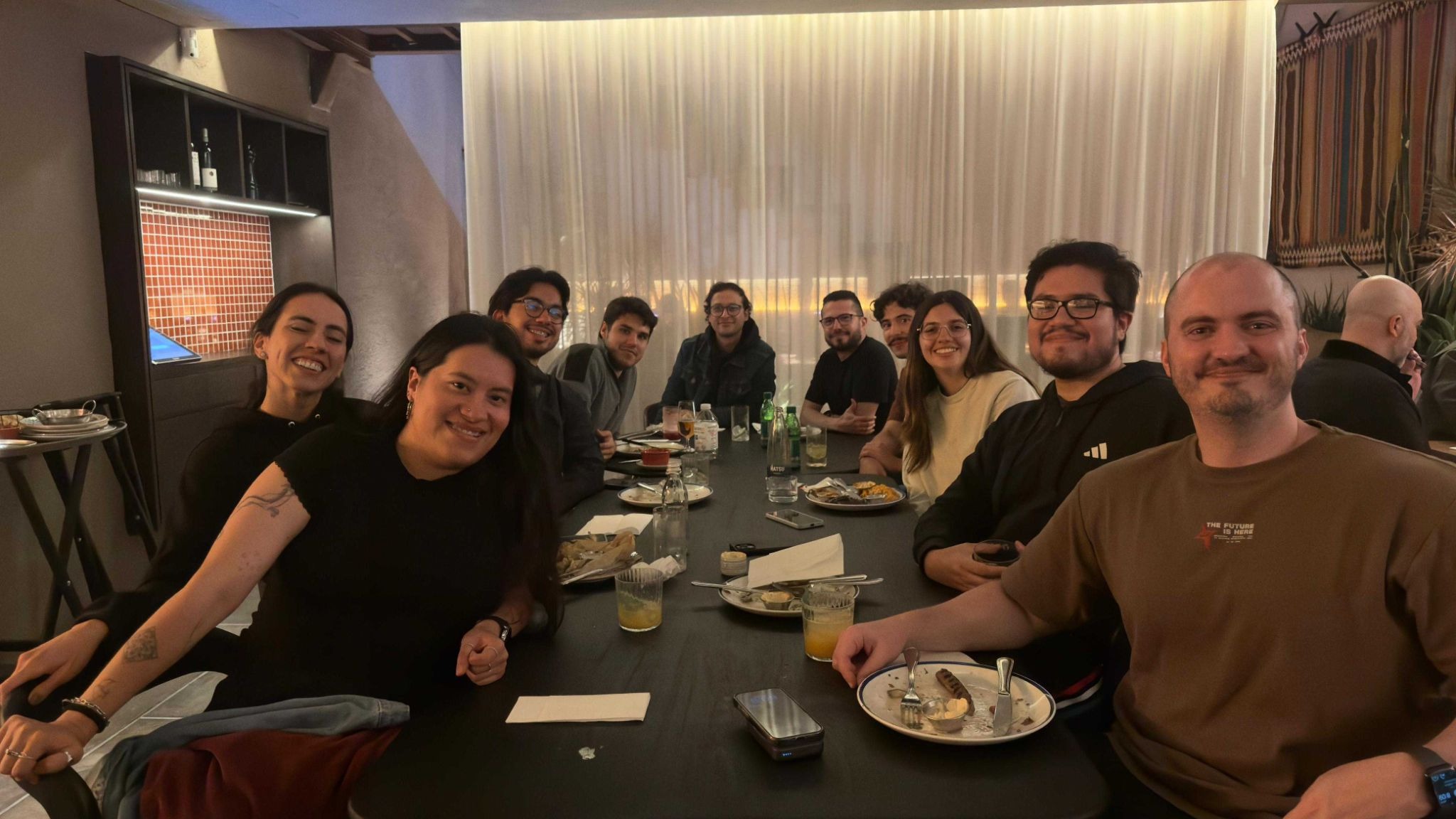
The work culture of each city shaped how I connected with colleagues. In Medellín, we'd work together from a coworking space once a week, spending the full day side by side. In Bogotá, it was more after-work dinners and weekend trips. I adapted to the culture of each city and the Lokals in it.
What Colombia Taught Me
The mountains that separate Colombia's regions create something I didn’t expect until I was moving through them: cities that feel like entirely different countries. The way people speak, live, and welcome strangers shifts dramatically from one to the next. I arrived in Medellín having read extensively about the country, and within a few weeks I felt like I understood it. Two months in, I was telling people, half-jokingly, that I felt like I knew Colombia now. Then I went to the coast. Then to San Andres. Then to El Cafetero. Then to Cali on that long weekend. Every time I thought I had a feel for a place, the next one surprised me completely. Even Colombians from one city would caution me about another—people there aren't as warm, be careful with the scams—and I'd arrive to find the opposite. The country kept resisting my assumptions about it.
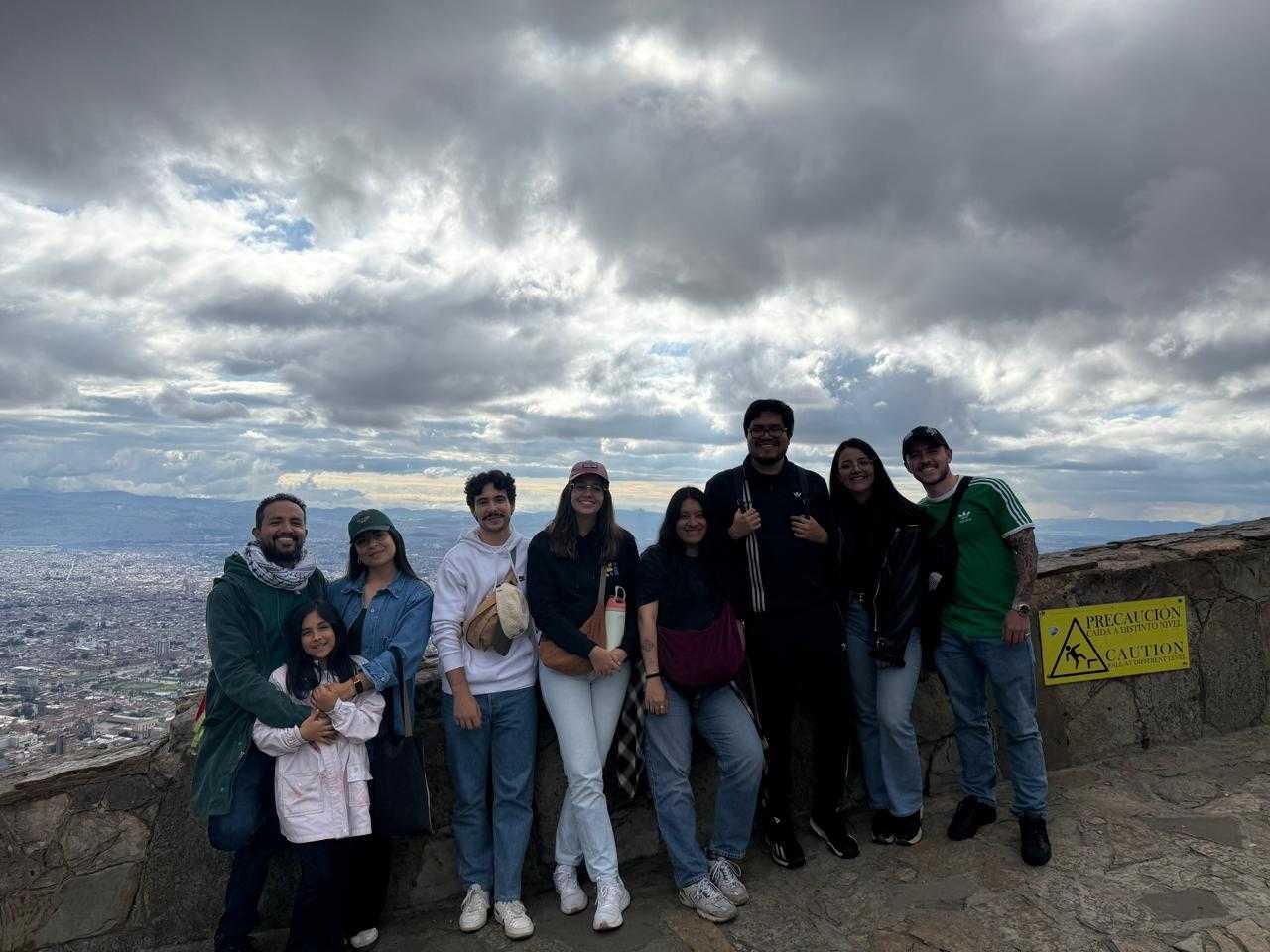
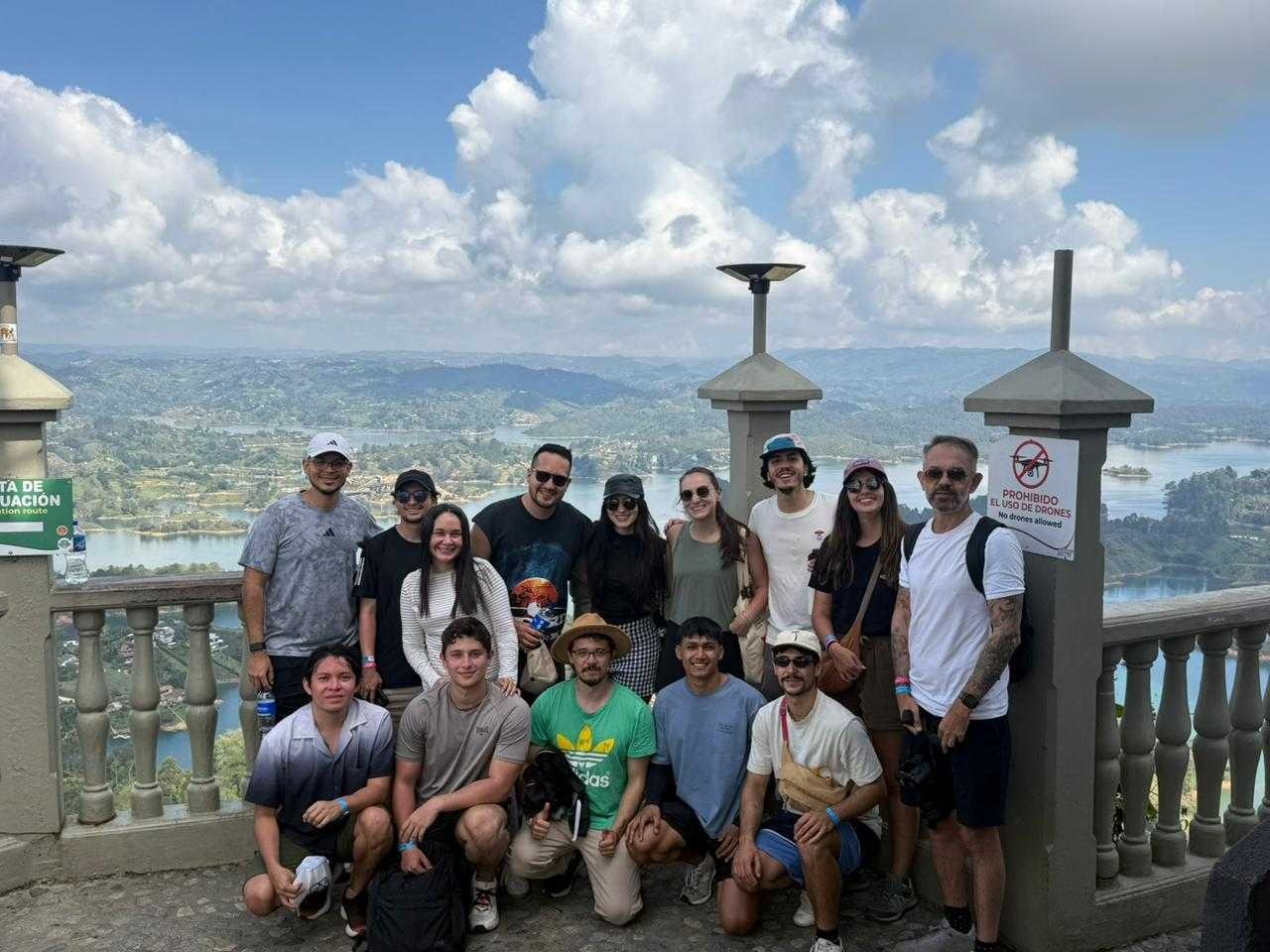
Colombia also confronted me with something harder to sit with: the disparities. Loka placed me in vibrant, international neighborhoods, and I recognized the privilege that represented. I was having a wonderful time in places that are, by Colombian standards, exceptional. But I also tried to look clearly at what surrounded them. The distance between the wealthiest and poorest parts of any given Colombian city can be a few streets and a completely different reality. I took cultural tours, talked to people outside the Loka circle, and tried to understand the country's trajectory—how far it has come since the early 2000s, how much transformation has happened in a relatively short time. You can hold genuine admiration for a country and its people while also seeing the work that remains to be done. Colombia, more than anywhere I've traveled, made me feel both things simultaneously, and I came to learn not to try to resolve the tension between them.
What I'm still processing, weeks and months after returning, is something about hospitality. Colombians are the most extraordinary hosts I've ever met. Not in a performative way, but in the sense that they genuinely want you to love their country, their city, their neighborhood, their food. They're ambassadors for their own places in a way I hadn't encountered before. Coming home to Porto, I found myself thinking about what it means to be that kind of ambassador, to welcome someone with real intention, to want them to leave having seen the best of where you're from. I'm not sure I'd known how to do that before.
What I'm still processing is something about hospitality. Colombians are the most extraordinary hosts I've ever met.
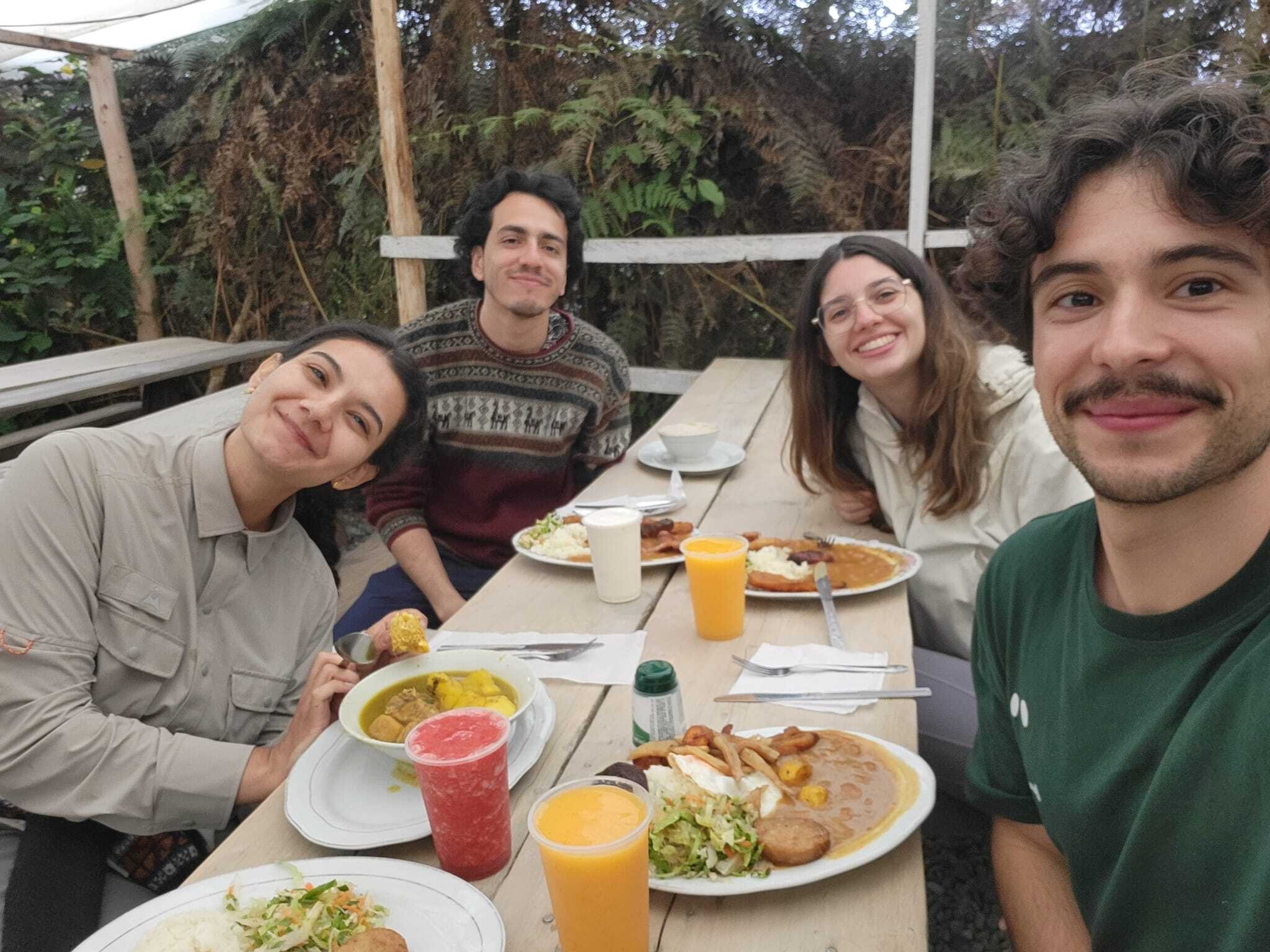
One evening in Medellín, a colleague invited us to his favorite taco place near his house. We ate delicious tacos sitting on small plastic benches on the street, in the most unpretentious setting imaginable. Afterwards he walked us around his neighborhood, pointing out hidden spots and sharing small pieces of the city he loved. The night ended at his place, doing a proper house tour and then sitting with his Colombian housemates talking about random topics. There were versions of that evening throughout the whole three months, people offering to take us somewhere, bringing their families along, giving up their free time to show us around. Those moments don't happen if you're passing through as a tourist. They only happen if you're embedded long enough for people to treat you like you belong.
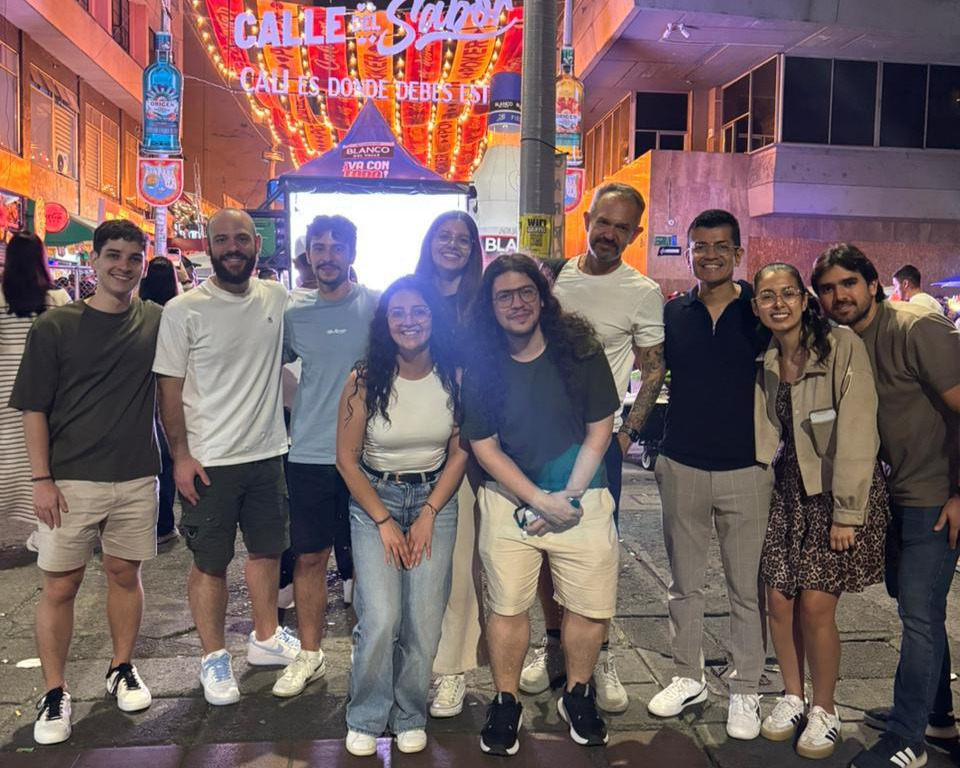
Medellín itself is a version of that story at city scale. Not long ago it was considered one of the most dangerous cities in the world. The processes that transformed it—sustained investment in education, architectural city planning, public transportation—are visible everywhere. It now draws tourists and digital nomads from across the world, which brings its own pressures and contradictions, but the trajectory is remarkable.
On Trusting the Right People
I keep returning to the decision to get on that plane in January. What made the difference wasn't information; I had plenty of that, most of which was scary. It was knowing who to ask. My Loka colleagues in Colombia weren't just reassuring me; they were giving me something more useful than news coverage: local knowledge, lived experience, and genuine accountability for my safety. That's a different kind of signal.
The same dynamic played out every week of the program. The best decisions I made—where to go, what to avoid, how to move through the country—came from people who were already there, not from people who had opinions about it from a distance. The trip was made possible by the infrastructure Loka built around it: the community of colleagues across Colombian cities, the HR support, the logistical groundwork. But what made it unforgettable were the people on the other end of it.